



Huntington Beach escrow company: Somebody has to hold the money.

When a home or a business changes hands, we hold the money and the paperwork until both sides have done what they promised. Then we pay the seller and close.

Already in escrow? What to do now.
A white cottage with a front porch, a picket fence and an olive tree, in late-afternoon light.

About Advantage One Escrow

Escrow for Orange County homes and businesses, licensed by the state since 1993.

From our office on Beach Boulevard in Huntington Beach, we handle escrows for homes and businesses across Orange County, Long Beach and the rest of California.

Escrow services in Orange County: What’s changing hands?

Buying or selling a home

Escrow sits in the middle of the sale and doesn’t take sides. The buyer’s deposit comes to us, not to the seller. If the sale falls through, it stays with us until both sides sign to release it. Buyer and seller each sign written instructions, and we follow them.

Once everything in those instructions is done, the deed is recorded in the buyer’s name. Then we pay off the old loans and pay the seller.

  1. HeldThe buyer’s deposit, then the loan money
  2. CheckedWho owns it and what’s owed, the loan, and your contract’s conditions
  3. ReleasedDeed recorded, then old loans and seller paid
How a home escrow works
On moving day, a family eats pizza on the front steps of their new house, boxes stacked by the open door.
The deposit waits in escrow until closing day.

Buying or selling a business (bulk sales)

When a business that mainly sells from stock (a store, a wholesaler, a manufacturer) or a restaurant sells more than half of its inventory and equipment at once, California calls it a bulk sale. The law skips sales where the assets are worth less than $10,000 or more than $5 million.

At least 12 business days before the sale, a public notice is recorded with the county, printed in a local newspaper and sent to the county tax collector. That gives the seller’s creditors time to file claims. A buyer who skips the notice can end up owing those creditors.

When the price is $2 million or less and is paid all or nearly all in cash, at closing or in payments later, escrow pays the claims that arrive before the deadline out of the sale money. Then the rest goes to the seller.

SellerSelling? Make a list of every business name and address you’ve used in the last three years. The buyer needs it for the notice. The notice is public, so plan when you tell your staff. Selling a place with a beer, wine or liquor license? See the liquor license tab too.

  1. HeldThe sale money
  2. CheckedThe public notice, the creditor claims and the tax clearances
  3. ReleasedOn-time claims paid, then the seller
Business escrow
After closing, a restaurant owner and the man buying her restaurant go through the vendor binder together.
The price waits in escrow for the tax clearances.

Transferring a liquor license

A liquor license changes hands only with the approval of the ABC, California’s Department of Alcoholic Beverage Control.

Before the transfer application is filed, a notice of the transfer is recorded with the county and the buyer puts the full price into escrow. The money stays there until the ABC approves. Then the seller’s creditors who filed claims get paid, and so does the seller.

The ABC says a person-to-person transfer (one owner selling the license to another) can average about 75 days.

  1. HeldThe full price, before the application is filed
  2. CheckedThe ABC’s approval of the transfer
  3. ReleasedCreditors who filed claims, then the seller
Liquor license transfers
Before opening, a bar owner and the woman buying his bar look over the stock list on the bar.
The full price waits in escrow for the ABC’s approval.

Trading one rental for another (a 1031 exchange)

A 1031 exchange lets you sell an investment property, buy another, and put off the tax on your gain.

The IRS gives you 45 days after the sale to identify the new property, and 180 days to receive it, or by your tax return’s due date, including extensions, if that comes first. A qualified intermediary holds the sale money in between. We handle the escrow for the sale and for the purchase.

We aren’t a qualified intermediary, and we don’t give tax advice. Talk to your CPA or attorney before you start.

  1. HeldEach escrow’s money, while it’s open. Your intermediary holds the exchange funds in between.
  2. CheckedYour deadlines: day 45 to name the new property; day 180, or your tax return’s due date (including extensions) if sooner, to close
  3. ReleasedThe new rental’s deed, recorded in your name
1031 exchange escrow
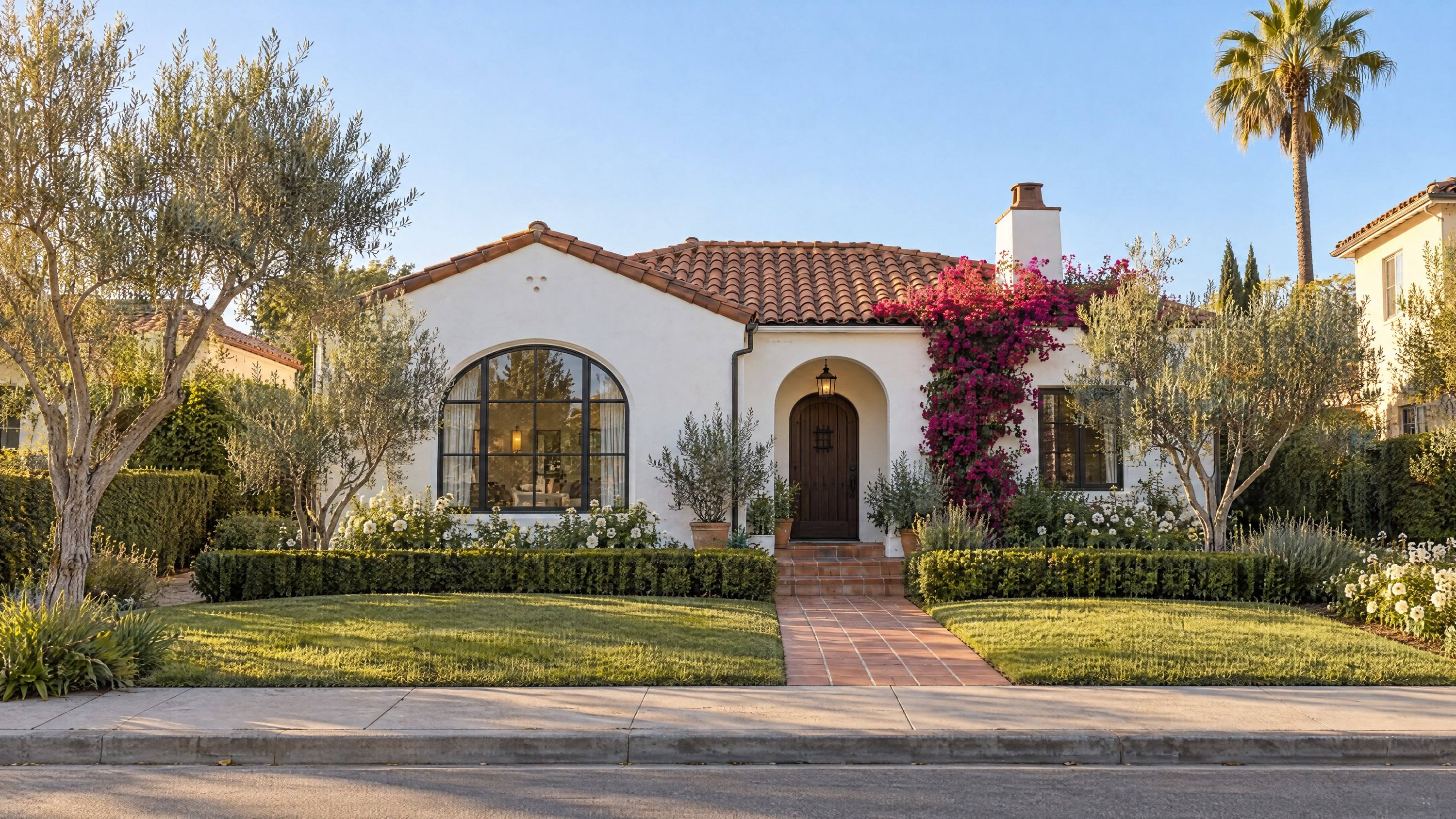
A white Spanish-style house with a tile roof and bougainvillea by the front door.
Your sale money goes to your intermediary, not to you.
Sources for this tab
  1. Cal. Commercial Code §6102
  2. Cal. Commercial Code §6103
  3. Cal. Commercial Code §6104
  4. Cal. Commercial Code §6105
  5. Cal. Commercial Code §6106.2
  6. Cal. Commercial Code §6107
  7. Cal. Civil Code §1057.3
  8. Cal. Business and Professions Code §24070
  9. Cal. Business and Professions Code §24073
  10. Cal. Business and Professions Code §24074
  11. ABC: license application requirements
  12. IRS: Instructions for Form 8824
  13. IRS: Like-kind exchanges, real estate tax tips
  14. California DRE Reference Book, chapter 8 (escrow)

Checked September 2026. This is general information, not legal or tax advice. Every deal is different, so talk to your attorney or CPA about yours.

The seven steps From signed contract to closing day

Seven steps in a typical California home sale. Pick buyer or seller to see your part.

Selling a business? Read about bulk sales
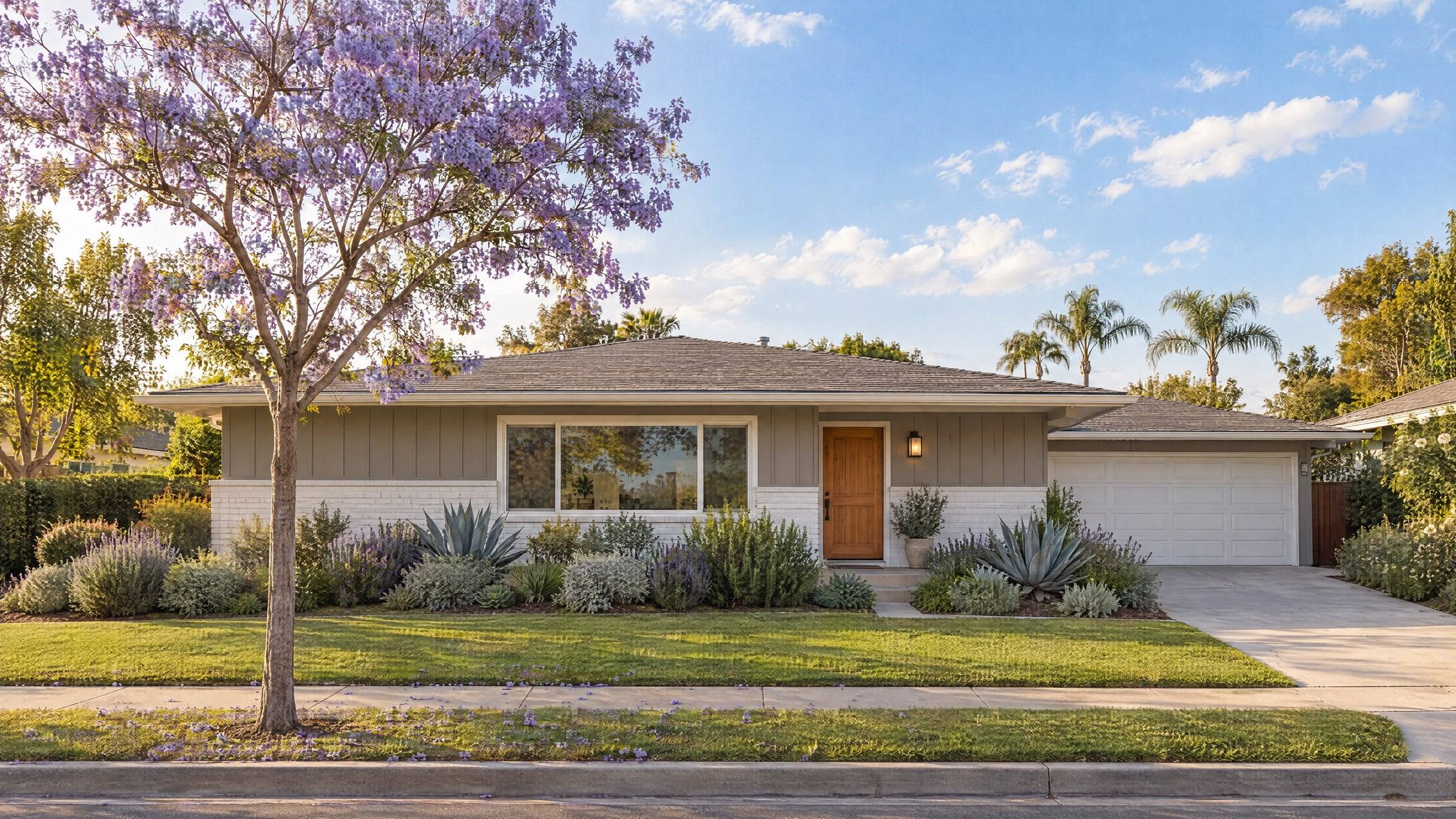
A single-story ranch house with a jacaranda tree in bloom by the curb.
  1. Step 1: Escrow opens

    Buyer and seller sign the purchase contract, and the agents send it to escrow. In Southern California, both sides then sign joint escrow instructions: one written list of everything that has to happen before any money moves.

    HeldThe buyer’s deposit is in escrow.

    BuyerSend your deposit on the schedule in your contract. Call us to check the wiring details before you send anything.

    SellerTell us about your mortgage and any other loan on the home, like a home equity line, so we can get the exact amounts to pay them off.

  2. Step 2: Title search

    A title company searches the public records and sends a preliminary report, a first look at who owns the home and what’s owed on it. It lists the loans, liens (debts tied to the home) and anything else on record.

    BuyerRead the preliminary report with your agent. Ask about anything that looks odd.

    SellerIf the report turns up an old debt tied to the home, like an unpaid bill or a court judgment, work with us to clear it.

  3. Step 3: Inspections and disclosures

    The buyer inspects the property and the seller hands over the required disclosures. Your contract sets the deadline for each.

    BuyerBook inspections early and sign disclosures before your deadlines.

    SellerDeliver your disclosures on time and answer repair requests.

  4. Step 4: The loan

    If the buyer is getting a loan, the lender orders an appraisal and works toward final loan approval.

    BuyerAnswer your lender fast, and hold off on new credit cards or car loans until you close.

    SellerKeep the home ready for the appraiser’s visit.

A single-story ranch house with a jacaranda tree in bloom by the curb.
  1. Step 5: Signing

    Escrow prepares the closing papers and an estimated closing statement that lists every fee. Everyone signs in front of a notary.

    HeldThe buyer’s funds join the deposit.

    BuyerBring a photo ID. Call us before you wire the rest of your money.

    SellerBring a photo ID. Sign the grant deed (the paper that hands the home to the buyer) and your closing papers.

  2. Step 6: Funding

    The lender sends the loan money to escrow. Escrow checks that every condition in the instructions has been met.

    CheckedLoan money in. Nothing goes out yet.

    BuyerNothing to do here. Your lender sends the money straight to escrow.

    SellerNothing to do here. We’re getting the exact amount to pay off your loan and working out what you’ll walk away with.

  3. Step 7: Closing

    The county records the deed, usually the business day after the buyer’s lender sends the money. Escrow pays off the old loans, pays the seller and sends everyone a final statement.

    ReleasedPaid out after the deed records.

    BuyerMove in. Keep your final closing statement somewhere safe.

    SellerYour money goes out by wire or check, the way your signed instructions say. Never send bank details in reply to an email or a text. Not sure how your money will reach you? Call us and ask.

Escrow wire fraud: Before you wire a dollar, call us.

Scammers send fake escrow emails with their own bank details, and they can look exactly like ours. If wiring instructions come by email or text, or a message says they changed, stop. Call us at (714) 962-0999 and check first. Use the number on this site, never one from an email or a text.

Real or fake? Try four practice messages.

Practice message 1 of 4

Email

From
Advantage One Escrowclosing@advantageoneescr0w.com (a made-up practice address)
Subject
URGENT: new wiring instructions

Hi! Quick update. Our bank changed this morning, so please send your down payment to the new account in the attached PDF. It has to go out by 3 p.m. today or your closing could slip.


Made-up messages, just for practice.

Selling? The same scam goes after your sale money, with a message asking where to send it. Never send bank details in reply to an email or a text. Call us, and we’ll tell you how your money reaches you.

Save our number to your phoneSave our number

Or type (714) 962-0999 into your contacts yourself.

If our office is closed, wait. Don’t send money until you’ve talked to us. If your deadline comes before we open, tell your agent now.

Already sent money?

Call your bank right away and ask it to recall the wire. Then report it to the FBI at ic3.gov. Minutes matter.

Already answered a message like this with your bank details? Call your bank now, then call us at (714) 962-0999. If we’re closed, call the minute we open.

Source: FBI Internet Crime Complaint Center, business email compromise.

On Main Street in Huntington Beach, one real estate agent hands a folder of papers to another, who stands beside his bike. The pier is at the end of the street.

For agents and lenders: Send us the contract. We’ll open the file.

Send the signed contract and everyone’s contact details, and we’ll get escrow open and instructions out. Anywhere in California, for any of these:

Escrow FAQ: Questions people ask us

Questions we hear most. If yours isn’t here, call and ask: (714) 962-0999.

Buying or selling a home

My agent already opened escrow with you. What do I do now?

Watch for our escrow instructions, then read and sign them. Your agent sends us the signed contract, so there’s nothing for you to open. Selling? We’ll ask for your mortgage lender, your loan number and your HOA’s name, so keep them handy. Before you send money or give anyone your bank details, call us at (714) 962-0999, the number on this site.

I’m selling. How will my money reach me?

By wire or check, the way your signed escrow instructions say. Never send bank details in reply to an email or a text, even one that looks like ours. Call us at (714) 962-0999, the number on this site, and we’ll tell you exactly how your money will reach you.

What does an escrow company do?

An escrow company is the neutral middle of a sale. Buyer and seller give it written instructions, and it holds the money and the documents until every condition in those instructions is met. Then it pays everyone and closes. It doesn’t take sides. In California, an escrow company must be a corporation licensed by the DFPI, the state agency that licenses escrow companies (Financial Code §17200). Ours is license 963-1716.

What happens to the deposit if the deal falls through?

It stays in escrow. Escrow releases it when buyer and seller both sign instructions to release it, or when a court decides who gets it. For a home of one to four units that the buyer will live in, a side that won’t sign the release within 30 days of a written demand, with no good-faith dispute, can owe the deposit, damages of $100 to $1,000 and attorney’s fees (Civil Code §1057.3). Selling? Whether any of it goes to you depends on your contract, so ask your agent.

How long does escrow take in California?

A home closes on the date in your contract. A bulk sale needs at least 12 business days’ notice, the state’s tax agencies have 30 to 60 days to answer a clearance request, and the ABC says a person-to-person license transfer can average about 75 days. How long escrow takes, by kind of sale.

How much does escrow cost?

Each escrow company sets its own fee; California law doesn’t fix it. Who pays which fee is usually set in your purchase contract, so ask your agent. Title insurance and recording fees are separate from the escrow fee, and Orange County’s transfer tax is $1.10 per $1,000 of the price ($660 on a $600,000 home). Call us for a quote. Every fee shows up on your closing statement.

Buying or selling a business

What is a bulk sale in California?

A bulk sale is when a business sells more than half of its inventory and equipment at once, outside its normal business. California’s bulk sale law covers businesses that mainly sell from stock, like stores, wholesalers and manufacturers, and restaurants. It doesn’t apply when the assets are worth less than $10,000 or more than $5 million. The law requires a public notice at least 12 business days before the sale, recorded with the county recorder, published in a local newspaper and sent to the county tax collector, so the seller’s creditors can file claims (Commercial Code §6102, §6103 and §6105). How a bulk sale escrow works.

If I buy a business in California, can I owe the seller’s back taxes?

Yes, if the tax clearances are skipped. A buyer who doesn’t hold back part of the price or get a clearance certificate can owe the seller’s unpaid sales tax, collected by the California Department of Tax and Fee Administration (CDTFA), and payroll tax, collected by the Employment Development Department (EDD), up to the purchase price. If the seller had to withhold California income tax, the Franchise Tax Board (FTB) has its own clearance, and a buyer who skips it can owe that withholding, up to the value of what they bought. In an escrow, the clearances are requested before money goes to the seller (Revenue and Taxation Code §6812 and §18669; Unemployment Insurance Code §1733).

Do I need an escrow to buy a business in California?

Not always. California’s bulk sale law doesn’t require an escrow. In a sale of $2 million or less paid all or nearly all in cash, at closing or in payments later, it makes the buyer pay the seller’s creditors who file claims on time, and when the sale goes through escrow, the escrow agent does that instead (Commercial Code §6106.2). A sale that includes a retail liquor license for a price does need an escrow (Business and Professions Code §24074).

Does the bulk sale law apply to a service business?

Usually not. California’s bulk sale law covers sellers whose main business is selling inventory from stock, including makers of what they sell, and restaurants (Commercial Code §6103). A salon or an office usually isn’t covered. The tax clearances can still apply: payroll tax to the EDD (Unemployment Insurance Code §1731–1733), sales tax to the CDTFA if the business sells products, and the Franchise Tax Board’s withholding clearance if the seller had to withhold income tax.

Liquor licenses

Is escrow required for a liquor license transfer in California?

Yes, for a retail license, like a bar’s or a liquor store’s, whenever it is sold for a price. California law requires the buyer to put the full price into an escrow before the transfer application goes to the Department of Alcoholic Beverage Control (ABC), and the money is paid out only after the ABC approves the transfer (Business and Professions Code §24074). How a liquor license transfer escrow works.

Can the new owner keep the bar open while the ABC reviews the transfer?

Sometimes. The Department of Alcoholic Beverage Control (ABC) may, at its discretion, give the buyer a temporary permit to keep the same premises open while a person-to-person transfer is pending. The premises must have operated under a license within the last 30 days, the seller’s license must be surrendered, and the transfer application must be filed. The permit lasts up to four months, and the ABC can extend it four more (Business and Professions Code §24045.5).

Can unpaid taxes hold up a liquor license transfer in California?

Yes. The Department of Alcoholic Beverage Control (ABC) can refuse to transfer a license while taxes tied to that license are unpaid, including sales tax, income tax, alcohol tax, payroll tax and unsecured property tax (for a bar, usually the county tax on its equipment) (Business and Professions Code §24049). A Franchise Tax Board hold stops the transfer until the tax debt is paid. The escrow gets the payoff amount and pays it from the sale money before it closes, and other creditors are paid after the taxes are cleared.

Selling a bar: do I need a bulk sale notice and a liquor license escrow?

Usually both steps happen together. A sale that follows the ABC’s transfer rules is outside the bulk sale law only if the buyer also records and publishes a notice the bulk sale way, at least 12 business days ahead (Commercial Code §6103). The liquor license escrow, with the full price deposited, is required whenever the license is sold for a price (Business and Professions Code §24074).

Opening an escrow, and about us

What do I need to open escrow?

Send us the signed purchase contract and everyone’s contact details, including both agents. The buyer’s deposit comes next, on the schedule in the contract. Call us to confirm the wiring details before you send it.

Who picks the escrow company?

The buyer and the seller pick it together, usually in the purchase contract. Your agent can suggest one, and you can ask for us by name.

Are you a title company?

No. We’re an escrow company, licensed by the DFPI, the state agency that licenses escrow companies. A separate title company checks the county records to confirm who owns the home and what’s owed on it, and insures the buyer and lender against ownership problems the search missed. We work with the title company on each sale.

Which areas do you serve?

Our office is at 19671 Beach Blvd., Suite 103 in Huntington Beach. We handle escrows in Huntington Beach, Fountain Valley, Westminster, Seal Beach, the rest of Orange County, Long Beach and anywhere else in California.

What kinds of escrow do you handle?

We handle home sale escrows, business sale and bulk sale escrows, liquor license transfer escrows, and the escrow side of 1031 exchanges.

Are you a 1031 qualified intermediary?

No, we’re not a qualified intermediary. In a 1031 exchange we handle the escrow for the sale and for the purchase, and your qualified intermediary holds the sale money in between. The IRS explains the rules in its Form 8824 instructions. For tax questions, talk to your CPA or attorney.

What are the 1031 exchange deadlines?

You have 45 days after selling to identify the new property in writing, and 180 days to receive it, or by your tax return’s due date, including extensions, if that comes first. Your qualified intermediary holds the sale money in between, not escrow and not you (IRS Form 8824 instructions).

Who else can hold an escrow in California?

Banks and title companies can also hold escrows without the DFPI’s escrow license. So can attorneys, for their own clients, and real estate brokers, in real estate deals where they’re an agent or a party (Financial Code §17006). Escrow companies like ours are licensed by the DFPI.

How can I check that you’re licensed?

We’re licensed by the DFPI, the California agency that licenses escrow companies. Our license number is 963-1716 (the DFPI lists it as 9631716). Look it up on the DFPI website.

Checked September 2026 against California law and the state agencies’ own pages. General information, not legal or tax advice.

Call (714) 962-0999Open escrow